




.svg)

ON THIS PAGE

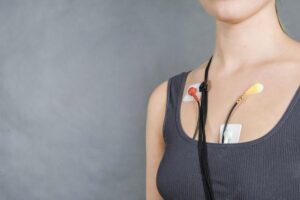
What people mean by palpitations
A palpitation is simply an awareness of your own heartbeat. People describe it in different ways: a flutter, a thud, a pounding in the chest or neck, a racing feeling, or a sense that a beat was skipped or came early.
Noticing your heartbeat is common and, on its own, does not mean something is wrong. Many palpitations come from extra beats that arise a little earlier than expected, known as ectopic beats. These occur in people with entirely normal hearts, and they often become more noticeable when you are sitting quietly or lying in bed.
That said, palpitations can sometimes reflect an underlying rhythm problem, and a few patterns are worth acting on. The sections below cover both.
Everyday things that can set palpitations off
Before considering the heart itself, it is worth looking at what else is going on. Palpitations are commonly associated with:
- Caffeine, alcohol and nicotine
- Physical exertion
- Stress, anxiety and panic
- Poor or broken sleep
- Dehydration or a fever
- Some cold and flu preparations, and some asthma medicines
- Pregnancy and perimenopause
- An overactive thyroid, low iron, or disturbances in body salts such as potassium and magnesium
Several of these are picked up with a simple blood test, which is one reason your doctor may start there rather than with a heart test.
When to seek medical attention straight away
Call an ambulance on 000 if palpitations come with any of the following:
- Chest pain, pressure or tightness
- Fainting, or feeling like you are about to faint
- Severe shortness of breath
- Palpitations that do not settle and leave you feeling very unwell
These symptoms need assessment at the time they are happening. Do not wait for an appointment.
When to make an appointment with your GP
It is reasonable to raise palpitations with your regular doctor if they are:
- Happening often, or lasting longer than they used to
- Coming on during exercise rather than at rest
- Accompanied by dizziness, breathlessness or unusual tiredness
- New, and you already have a known heart condition
- Occurring alongside a family history of inherited heart conditions or unexplained sudden death at a young age
Your GP is the right starting point. They can take a history, examine you, and decide whether any testing is warranted based on your symptoms and risk factors.
How your doctor works out whether a test would help
A standard ECG records your heart's electrical activity for around ten seconds. If your palpitations happen to occur during those ten seconds, it may capture them. Much of the time it will not, because the symptoms come and go.
This is the reason ambulatory monitoring exists: a portable recorder worn while you go about your normal life, so the recording covers the periods when symptoms actually occur. The question that matters is not which test to have, but how often the symptoms happen:
- Most days: a 24 hour recording has a reasonable chance of capturing an episode
- Once or twice a week: a longer recording over several days is more likely to catch one
- Every few weeks: a longer-term event monitor, worn for up to 28 days, may be needed
Matching the recording period to your symptom pattern is a clinical judgement, and it belongs with your doctor. A test that runs for a day when your symptoms occur monthly is unlikely to answer the question.
Keeping a symptom diary helps
Whether or not you end up having a test, a short written record is genuinely useful to the doctor reading it. For a week or two, note:
- The date and time symptoms started, and roughly how long they lasted
- What you were doing at the time
- Whether the beat felt fast, slow, regular or irregular
- Anything else you noticed, such as dizziness or breathlessness
- Caffeine, alcohol and sleep that day
If you do wear a monitor, this diary is what allows the reporting cardiologist to line up your symptoms against what the recording shows at that exact moment. A recording without a diary is much harder to interpret.
What happens after a recording
The recording is analysed and reported by a cardiologist, and the report goes back to the doctor who referred you. They will go through the findings with you and explain what, if anything, follows. Many recordings show a normal rhythm, or extra beats that need no treatment, and that result is useful information in itself.
Where Heartscope fits in
We perform cardiac testing on referral. If your doctor decides monitoring would help, they will send a referral and we will book you in at one of our clinics across Melbourne. A referral from your GP or specialist is normally required, and your referring doctor remains the person who interprets the result in the context of your overall health.
If you are unsure what your referral is for, call us on 1800 202 111 and we can explain what the test involves and how to prepare for it.
This article is general information only. It is not a substitute for individual medical advice. Please speak with your doctor about your own circumstances.
Frequently asked questions
Are heart palpitations dangerous?
Most palpitations are not, and many come from extra beats that occur in people with completely normal hearts. What matters is the company they keep. Palpitations with chest pain, fainting or severe breathlessness need emergency assessment. Palpitations that are frequent, come on during exercise, or occur alongside a known heart condition are worth raising with your GP.
Can anxiety cause palpitations?
Yes. Stress, anxiety and panic are among the more common reasons people become aware of their heartbeat. That does not mean anxiety should be assumed to be the cause without assessment, particularly if the pattern is new or the symptoms occur during exertion. Your doctor can consider both possibilities together.
Should I stop drinking coffee?
Caffeine is a recognised trigger for some people, but it affects individuals differently. Rather than cutting things out permanently on your own, it is more useful to note your intake in a symptom diary so you and your doctor can see whether there is a pattern.
How long will I need to wear a heart monitor?
That depends on how often your symptoms occur, and it is a decision for your doctor. Recordings commonly run for 24 hours, seven days, or up to 28 days for symptoms that happen only occasionally. The aim is for the recording period to overlap with when you actually get symptoms.
Can I shower while wearing a monitor?
Not with a 24 hour or seven day Holter monitor, which must stay dry. Shower before your appointment. The HeartBug event monitor tolerates brief water exposure such as a shower but must not be submerged. We will explain the specifics for your device when it is fitted.
Do I need a referral?
A referral from your GP or specialist is normally required for cardiac testing. Your referring doctor decides which test is appropriate and receives the report afterwards.
Will I get my results on the day?
No. The recording is analysed and reported by a cardiologist, then sent to the doctor who referred you. They will go through the findings with you.


.svg)


.svg)
